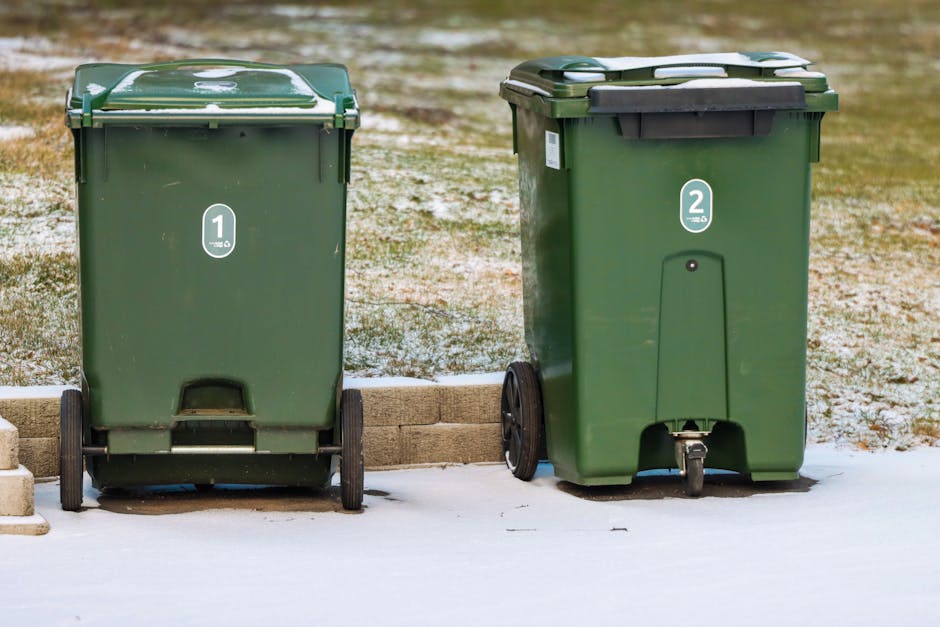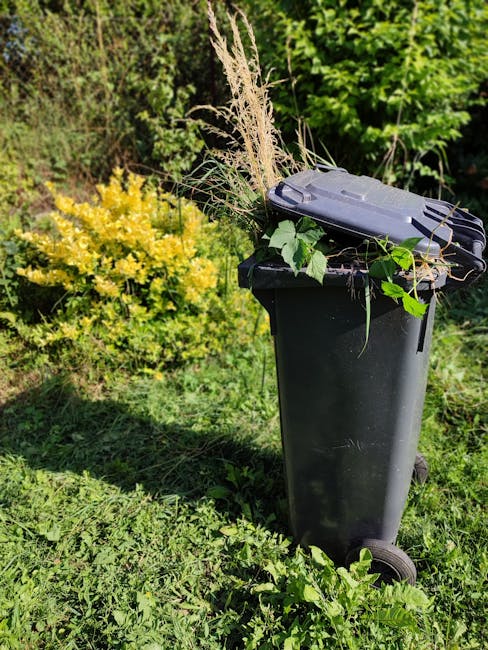
Garden clearance and green waste disposal Croydon Council rules: what Croydon residents need to know
If your garden has got away from you a bit, you are not alone. One windy weekend, a few heavy pruning jobs, and suddenly you are staring at piles of branches, turf, weeds, clippings, and the odd broken planter. Garden clearance and green waste disposal Croydon Council rules can feel confusing at first, especially when you are trying to work out what the council will take, what needs special handling, and when a professional clearance service makes more sense.
This guide breaks the topic down in plain English. You will learn how green waste is usually managed in Croydon, what good practice looks like, how to prepare garden waste properly, and where people often go wrong. It is written for homeowners, landlords, tenants, and anyone sorting out an overgrown outdoor space without wanting a headache later.
Practical summary: the safest approach is to separate green waste from general rubbish, avoid mixing in soil, rubble, plastic or treated timber, and check local collection arrangements before you bag anything up. Small mistakes can turn a simple clearance into a rejected load. Bit annoying, but avoidable.
Why Garden clearance and green waste disposal Croydon Council rules Matters
Garden waste looks simple until it is not. Fresh grass cuttings, hedge trimmings and leaves are one thing. A heap containing old compost bags, stones, broken pots, fence panels and turf is another. Councils and waste carriers usually expect green waste to stay separate because it can be recycled or composted much more easily when it is clean.
That matters for three reasons. First, it helps avoid contamination, which is often the main reason collections or disposal loads are refused. Second, it keeps costs under control, because mixed waste is more expensive to process. Third, it supports better recycling outcomes, which is why many residents now look for services with clear recycling and sustainability practices.
In everyday terms, the rule of thumb is straightforward: if it came from the garden and is biodegradable, it usually belongs with green waste. If it is inert, man-made, treated, or mixed with household waste, it probably does not. That is the simple version. The real world is messier, as gardens tend to be.
If you are managing a full garden reset, it also helps to think beyond disposal. A tidy-up often sits alongside ongoing upkeep, especially if you want to avoid the same overgrowth returning in six weeks. Services such as garden maintenance can make a big difference after a clearance, particularly for larger plots, rental properties, or gardens that have been neglected for a while.
How Garden clearance and green waste disposal Croydon Council rules Works
Most garden clearance jobs follow a similar pattern, even if the exact collection route varies. The first job is identifying what you have. Then you separate materials by type, choose the right disposal method, and make sure the load is handled in a way that suits local expectations and waste regulations.
Here is the usual flow:
- Sort the waste at source. Keep green waste separate from bags of mixed rubbish, rubble, old wood, metals, and domestic waste.
- Break it down where sensible. Large branches, hedge cuttings and bulky stems are easier to manage when cut into manageable lengths.
- Remove contamination. Stones, plastic ties, plant pots, compost sacks and bits of wire should not be thrown into a green waste pile.
- Choose the disposal route. Depending on the size of the job, that might mean council collection arrangements, a licensed waste carrier, or a service that includes collection and removal.
- Load and transport carefully. Wet waste, thorny material and heavy soil all change the handling requirements, so it is not just a matter of chucking everything in a van and hoping for the best.
For bigger projects, clearance often overlaps with pruning, lawn renovation or landscaping. If the garden needs a fresh start rather than just a tidy-up, it may be worth looking at garden clearance services together with broader outdoor work such as landscaping or landscape gardening. That way the waste is not merely removed; the space is actually made usable again.
Let's face it, garden waste builds up faster than people expect. A few hours of cutting back ivy or clearing bramble can produce several bulky bags, and by the time you have loaded the fifth one, the wheelie bin starts looking tiny. That is usually the point where people realise they need a proper plan.
Key Benefits and Practical Advantages
Following the correct approach to green waste disposal is not just about avoiding trouble. It also makes the whole job easier, cheaper, and more predictable.
- Cleaner sorting: A properly separated load is easier to remove and less likely to be rejected.
- Better recycling outcomes: Green waste can often be processed more efficiently when it is free from contaminants.
- Less back-and-forth: Clear preparation reduces the chance of repeat visits or extra handling.
- Safer working conditions: Removing thorny, heavy or awkward waste in stages lowers the risk of injury.
- More usable outdoor space: Once the mess is gone, you can actually see the garden again. Simple, but satisfying.
There is also a practical financial angle. Mixed waste generally costs more to dispose of than clean green waste, because it needs more sorting downstream. If you are comparing services, pricing and quotes are worth reviewing alongside what the service actually includes. A cheap quote that excludes loading, sorting, or disposal can be false economy.
For many households, there is another advantage too: less stress. A garden clearance that runs smoothly has a nice, quiet rhythm to it. Cut, gather, load, remove. You hear the rake on the patio, the snip of secateurs, the scrape of branches into a pile. Then suddenly the space breathes again.
Who This Is For and When It Makes Sense
This topic is relevant to far more people than you might think. Garden clearance and green waste disposal Croydon Council rules affect anyone producing garden waste, but some situations make it especially important to get right.
- Homeowners dealing with seasonal pruning, hedge cutting, lawn cuttings or a full garden tidy.
- Landlords and letting agents preparing a property between tenancies.
- Tenants who need to return a garden in acceptable condition.
- Older residents or busy households who want the work done safely and efficiently.
- People with overgrown, neglected or storm-damaged gardens where waste volumes can climb quickly.
- Anyone planning landscaping changes that will produce a mixed pile of organic waste and old materials.
It makes sense to think about professional help when the job involves more than a few bags of clippings. For example, if you are cutting back mature shrubs, removing a tangle of climbing plants, or clearing a garden that has been untouched for months, the volume can be misleadingly large. A neat pile can turn into three trips and a sore back rather quickly.
In those cases, a service such as tree lopping and removal may also come into play if larger woody material needs to be managed safely. And if you are not sure what level of help you need, the services overview can be a sensible place to compare the broader options.
Step-by-Step Guidance
If you want to approach the job properly, use a methodical process. It saves time and reduces the chance of mixing the wrong materials together.
1. Walk the garden first
Do a slow lap before lifting anything. Look for branches, weeds, turf, fallen fruit, dead plants, broken pots, plastic plant labels, and anything else that has quietly collected in corners. You will often spot the awkward bits only once you slow down a little.
2. Split the waste into clear groups
Create separate piles for:
- soft green waste such as grass cuttings and leaves
- woody waste such as branches and hedge trimmings
- soil and turf, if being removed
- non-green waste such as pots, wire, old timber or rubble
This step is boring, yes, but it is the difference between a tidy load and a messy one.
3. Cut bulky material down
Long branches and dense hedge cuttings are easier to stack and transport once they are reduced to manageable sizes. It also makes it easier to estimate how much space the waste will take up. A heap of mixed-length branches always looks smaller on the lawn than it does in a van.
4. Bag or bundle where appropriate
Use strong bags for loose material and tie bundles safely if you are dealing with thorny stems or long sticks. Wet grass clippings are especially heavy, so do not overload bags. Your hands will thank you later.
5. Check what should be excluded
Do not mix in general household rubbish, old garden furniture, broken glass, treated wood, paint tins, or building debris. If something looks like it belongs to another waste stream, it probably does.
6. Decide whether you need clearance support
If the waste is too bulky, the access is awkward, or you simply do not have the time, a professional team can handle the lifting, loading, and disposal. That is often the turning point in a job that starts as a Saturday task and threatens to swallow the whole weekend.
7. Think about what happens after removal
If the garden will be maintained going forward, book in a follow-up service or set a simple routine. A tidy clearance without a maintenance plan can unravel fast, especially in spring and early summer.
Expert Tips for Better Results
Good garden waste handling is often about small decisions. The big rules are obvious. The little ones save the most hassle.
- Keep materials dry where possible. Wet green waste is heavier and more awkward to move.
- Separate thorny clippings early. Rose cuttings, brambles and hawthorn can bite back in a very literal way.
- Do not assume soil is green waste. It usually behaves differently and may need separate handling.
- Store waste away from driveways and access routes. It reduces trip hazards and keeps the job flowing.
- Clear one zone at a time. This keeps the project from turning into a chaotic everywhere-and-nowhere sort of day.
A useful professional habit is to inspect the waste before loading. That sounds obvious, but in practice people miss small contaminants all the time: a plant pot hidden under ivy, a bit of wire twined through a hedge, or a piece of broken slab stuck in a root ball. Those little surprises matter.
If you are planning more than a straightforward clearance, it can help to link the job with ongoing upkeep. Hedge trimming, lawn mowing, and routine garden maintenance all reduce the amount of waste that accumulates in the first place. Prevention sounds a bit clinical, but it is true.
Common Mistakes to Avoid
Most problems with green waste disposal come from a handful of predictable mistakes. The good news is that nearly all of them are avoidable.
- Mixing green waste with general waste. This is the big one.
- Including rubble, plastic or treated timber. These materials belong elsewhere.
- Overfilling bags. Heavy bags split, and then you are doing the job twice.
- Leaving waste in awkward access points. It slows down removal and can cause damage.
- Ignoring local collection rules. Waste that looks harmless may still be rejected if it is presented badly.
- Forgetting about safety. Gloves, footwear and sensible lifting make a real difference.
One subtle mistake is assuming that all "garden material" is automatically acceptable together. It is not. A pile of leaves and clippings is very different from a pile containing fence offcuts, old compost bags and soil clods. Councils and waste handlers tend to be strict for good reason, and that is where people get caught out.
Another one: leaving everything until the end of the season. By the time you reach late autumn, wet weather and compacted waste can make the task feel twice as large. Not impossible, just more of a slog.
Tools, Resources and Recommendations
You do not need fancy equipment for a basic clearance, but a few practical tools make the job much easier.
| Tool or resource | Why it helps | Best use case |
|---|---|---|
| Heavy-duty waste bags | Handle loose clippings and smaller debris | Lawn cuts, leaves, light pruning |
| Secateurs and loppers | Reduce bulky stems and thin branches | Hedge trims, shrub pruning |
| Rake and garden fork | Gather loose waste and turf | General tidy-up and soil prep |
| Wheelbarrow | Moves heavy loads without repeated carrying | Mixed waste and larger clearances |
| Protective gloves | Reduces cuts, stings and splinters | All clearance work |
| Professional clearance service | Handles removal, loading and disposal | Large, heavy or time-sensitive jobs |
For households wanting a longer-term solution, it is worth pairing a one-off clearance with regular care. The team pages for lawn mowing and hedge trimming show the kind of maintenance that prevents waste from piling up again. It sounds obvious, but the regular stuff really does save the hardest work later.
And if you are still deciding whether to clear it yourself or bring someone in, check the scope of work carefully. A good quote should spell out labour, removal, and disposal expectations clearly. No guesswork. No vague "extras" appearing at the end like an unwanted surprise in a takeaway bag.
Law, Compliance, Standards, or Best Practice
When dealing with garden waste, the most important principle is simple: waste should be handled responsibly and by people who are authorised to transport it where required. That generally means using accepted local collection channels or a properly equipped waste carrier for larger jobs.
In plain language, the safe and sensible standards are:
- Do not fly-tip or leave waste in unsuitable places.
- Keep green waste distinct from general rubbish where possible.
- Use lawful, traceable disposal routes for larger loads.
- Protect neighbours, pavements and shared access areas during removal.
- Handle sharp, heavy or unstable materials with care.
For residents in Croydon, that means checking the current council guidance for collection arrangements before assuming anything. Council processes can change, and collection rules may differ depending on the type of waste, the size of the load, and whether it is mixed with non-green material. It is always better to confirm than to guess.
Best practice also includes keeping a clean audit trail for any commercial or managed property clearance. Landlords, agents and property managers often need evidence that waste has been removed properly, especially when preparing a property for re-letting or handover. That is just sensible housekeeping.
Where a service provider is involved, it is also worth checking their broader professionalism. Pages such as health and safety policy, insurance and safety, and terms and conditions help show how seriously they take the work. Not glamorous reading, admittedly, but useful.
Options, Methods, or Comparison Table
There is more than one way to deal with garden waste, and the best method depends on volume, access, time, and how mixed the waste is.
| Method | Best for | Pros | Watch out for |
|---|---|---|---|
| DIY bagging and local disposal | Small, tidy amounts of green waste | Low cost, flexible, simple for light jobs | Time-consuming, heavy lifting, limited volume |
| Professional garden clearance | Large, overgrown or mixed loads | Fast, convenient, handles loading and removal | Higher upfront cost than doing it yourself |
| Ongoing garden maintenance | People who want to avoid waste build-up | Keeps the garden manageable all year | Needs regular scheduling |
| Combined clearance and landscaping work | Gardens being redesigned or restored | Creates a fresh start and better long-term layout | More planning required |
There is no single right answer here. A tiny courtyard might be fine with a few sacks and some careful sorting. A neglected back garden with hedging, bramble and dead growth? That is rarely a one-person, one-bin job, and pretending otherwise usually just creates more effort.
Case Study or Real-World Example
Here is a realistic example. A terraced property in Croydon has an untidy rear garden after months of neglect. There is a patchy lawn, some overgrown shrubs, a couple of broken plant pots, and a pile of branches from a previous pruning attempt. The owner wants the space cleared before a family gathering and is worried about disposal.
The sensible approach is to separate the waste into green and non-green piles first. The lawn clippings, hedge cuttings and branches can be grouped together, while the pots and broken garden items are kept out of the load. The branches are cut down to manageable lengths, the waste is bagged or bundled, and the heavier material is moved safely rather than dragged across paving.
In a job like this, the difference between "messy but manageable" and "this is getting out of hand" comes down to sorting early and deciding quickly whether a professional clearance is needed. If the garden also needs a reset afterwards, then pairing removal with follow-up mowing or trimming is often the smartest move. The space does not just look better; it stays better for longer.
That is the real point. Good clearance is not only about removing waste. It is about restoring order without creating a second problem somewhere else.
Practical Checklist
Use this checklist before you start a clearance or arrange disposal:
- Identify all green waste separately from mixed rubbish.
- Remove plastic, wire, pots, rubble and treated timber.
- Cut bulky branches and hedge trimmings down to size.
- Keep waste bags manageable, especially if the material is wet.
- Check access routes, gates and pathways before moving heavy loads.
- Wear gloves and sturdy footwear.
- Confirm how the waste will be collected or removed.
- Review whether the garden will need maintenance after clearance.
- Consider combining the job with mowing, hedge cutting or minor landscaping.
- Make sure the disposal route is suitable for the type and volume of waste.
Quick takeaway: the cleaner and more organised the waste is, the easier it is to dispose of properly. That one habit saves a surprising amount of time.
If you want help planning the job, or you are comparing clearance options for a larger garden, explore the site's services overview and the team's approach on about us. It is often the small details that tell you whether a job will be handled carefully or just rushed through.
Get a free quote today and see how much you can save.
Conclusion
Garden clearance and green waste disposal Croydon Council rules are really about common sense, careful sorting, and using the right route for the right material. If you keep green waste separate, avoid contamination, and choose a disposal method that suits the size of the job, the whole process becomes far less stressful.
For small tidy-ups, a DIY approach may be enough. For heavier, mixed or time-sensitive clearances, professional help can save effort and reduce the risk of mistakes. Either way, the goal is the same: a garden that feels lighter, safer and easier to enjoy.
And honestly, once the last bag is gone and you can hear the birds again over the silence, it feels worth it. Small victory, but a real one.
Frequently Asked Questions
What counts as green waste in a garden clearance?
Green waste usually includes grass cuttings, leaves, hedge trimmings, weeds, small branches, plants and other biodegradable garden material. If it is organic and came from the garden, it often falls into this category, provided it is not mixed with rubbish or contaminants.
Can I put soil and turf with green waste?
Not always. Soil and turf can be handled differently from soft green waste because they are heavier and may not be accepted in the same way. It is best to separate them and check the disposal route before loading everything together.
What should never go into green waste?
Plastic, broken pots, rubble, treated wood, metal, domestic rubbish, glass and general household waste should not go in a green waste pile. Mixed loads are the main reason people run into trouble.
Do Croydon Council rules cover all garden waste the same way?
No, and that is where confusion starts. Different types of garden waste may be treated differently depending on whether they are loose clippings, bulky branches, or mixed material. Always check the current council guidance rather than assuming all garden waste is handled the same way.
Is it cheaper to do garden clearance myself?
Often, yes, if the job is small and you already have the tools and time. But once the waste gets heavy, bulky or mixed, the savings can disappear fast. Professional clearance may be better value when you factor in transport, labour and disposal.
When does a garden clearance become too big for DIY?
A good sign is when you are making repeated trips, struggling with access, or finding more waste than you expected after you start. If the garden is overgrown, full of woody material, or has mixed waste, a professional team is usually the easier option.
Can hedge trimmings and branches go together?
Yes, they often can, as long as the load is clean and free from contamination. Large woody branches may need cutting down first so they are easier to handle and load safely.
What is the safest way to prepare garden waste for removal?
Sort the waste, remove contaminants, cut oversized pieces down, and use strong bags or bundles. Wear gloves and proper footwear, and make sure access paths are clear before you begin moving anything heavy.
How often should a garden be cleared?
That depends on the garden and how it is used. Some gardens need only seasonal tidy-ups, while others benefit from regular maintenance. If growth is vigorous, a light but frequent approach is often easier than waiting for one big clear-out.
Should I combine garden clearance with maintenance?
Yes, if you want the garden to stay manageable. Clearance removes the immediate problem, but maintenance prevents the build-up from returning. That combination is usually the most practical long-term approach.
How do I know if a waste carrier is suitable?
Look for clear information about how the waste is handled, what is included, and whether the service is set up for garden waste rather than mixed rubbish. Pages such as payment and security and complaints procedure can also help you judge how professionally a business is run.
What should I do after the green waste is gone?
Once the waste is removed, walk the garden again and decide what needs attention next: mowing, hedge trimming, replanting, or a small landscaping change. A tidy garden is much easier to manage when the next step is planned straight away.