Top gardeners for South Norwood and West Croydon station: a practical local guide
If you are looking for Top gardeners for South Norwood and West Croydon station, you are probably after more than someone who can just cut a hedge and move on. You want a gardener who understands tight London gardens, busy front paths, awkward access, and the kind of weather that can turn a tidy border into a soggy mess by Tuesday afternoon. You want reliability, decent communication, and results that still look good a few weeks later.
This guide breaks down what to expect, how to compare local gardening help, and how to choose a service that fits the way you actually live. Whether you need regular maintenance, a one-off tidy-up, or a more involved garden refresh, the right choice can save you time, money, and a fair bit of frustration.
To be fair, good gardening is one of those things people underestimate until they see the difference. One day the space feels cramped and overgrown; the next, it feels calmer, lighter, and easier to use. That change is often less about fancy design and more about consistent, skilled care.
Why Top gardeners for South Norwood and West Croydon station Matters
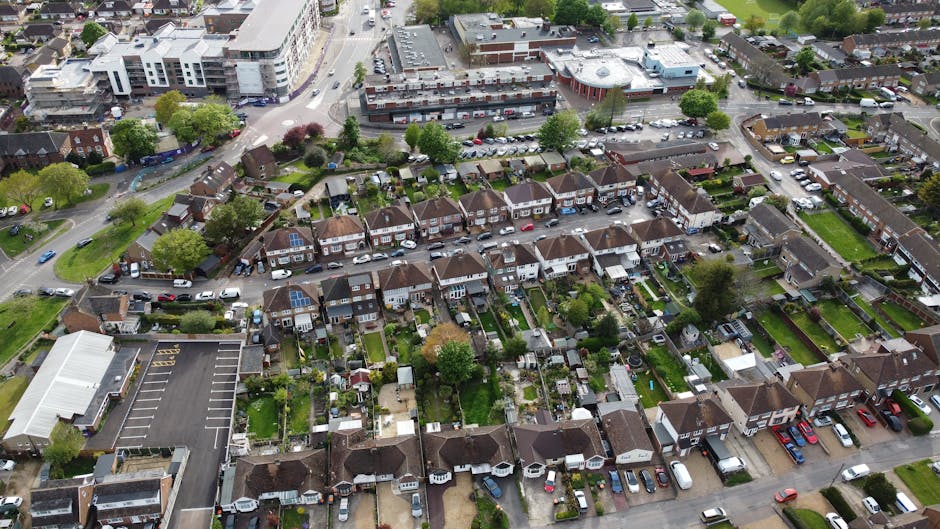
Gardens around South Norwood and West Croydon station often have a few things in common: limited space, mixed shade, neighbours close by, and lots of movement around the property. That means a gardener is not just there to make things look neat. They help keep the space safe, usable, and manageable in a dense urban setting.
A well-kept garden can change how a home feels from the street as well as from inside. A clipped hedge softens a frontage. A cleared path makes the entrance feel safer in wet weather. A tidy lawn or paved area gives you somewhere to sit, rather than somewhere to avoid. Small wins, yes - but they stack up.
There is also a practical side. In a busy part of London, small maintenance issues tend to snowball quickly. Ivy creeps under fences. Weeds settle into paving joints. Shrubs block light. Leaves gather in corners, then hold moisture, then invite more mess. A good gardener spots that chain reaction early and stops it before it becomes expensive or embarrassing.
If you are comparing local help, it is worth looking at services that cover the full cycle of garden care rather than just one-off cutting. For example, if your outdoor space needs both routine upkeep and a seasonal refresh, you may want a team that can also handle garden maintenance support and keep everything on a sensible schedule.
And let's face it, a lot of people start searching only when the garden already feels out of hand. That is normal. The good news is that a skilled gardener can usually get things back under control faster than most homeowners expect, especially if the brief is clear.
How Top gardeners for South Norwood and West Croydon station Works
The process is usually simpler than people think. Most gardeners begin with a look at the space, a conversation about what matters most, and a rough sense of how often you need help. From there, the work is shaped around your priorities. Some gardens need regular care every one or two weeks. Others need a seasonal reset, then lighter maintenance.
In a local area like this, the best gardeners tend to think in terms of practical outcomes. Do you need more daylight? Better privacy? A safer walkway? Less mess in autumn? A usable space for children, pets, or just a cup of tea outside when the weather behaves for once? Those answers guide the plan.
Typical garden work may include:
- Lawn mowing and edging
- Hedge trimming and shrub shaping
- Weeding and border clearance
- Pruning, where appropriate
- Leaf clearance and seasonal tidy-ups
- Pressure washing or surface cleaning, if offered
- Planting and replanting
- Green waste removal
Some people want a gentle, ongoing service. Others need a fast turnaround after a long gap. A good gardener should be able to explain what can be done now, what needs a second visit, and what might be better handled over time. That honesty matters.
If your garden needs more than routine upkeep, it can help to work with a provider that understands broader landscaping and outdoor repair too. You may find it useful to explore broader gardening services when you are not quite sure where the job ends and the transformation begins.
Key Benefits and Practical Advantages
Hiring a strong local gardener is not only about appearance. The best results often show up in everyday life, in ways that are easy to overlook until they are gone.
A tidier space that feels easier to use
When paths are clear and beds are under control, the whole garden feels more welcoming. You notice it when stepping out with the washing, letting the dog out, or bringing the bike around the side. It is one of those quiet quality-of-life improvements that just makes the day smoother.
Better plant health over time
Healthy gardening is not just cutting back whatever looks messy. It is knowing when to prune, how much to remove, and what to leave alone. Over-trimming can weaken plants, while neglect can smother them. A thoughtful gardener works with the seasons, not against them.
More control over light, privacy, and space
In urban gardens, one branch too many can make a border feel boxed in. One hedge left too long can shade a whole patio. Skilled gardeners help balance privacy with openness, which is especially useful in narrow plots and shared boundaries.
Less stress and fewer weekend chores
Truth be told, many homeowners do not actually enjoy spending every spare Saturday pulling weeds. They just want the garden to be decent. Reliable help gives you back your time and prevents the kind of backlog that makes outdoor work feel impossible.
Safer paths and cleaner edges
Overgrown edges, mossy patches, and fallen leaves can create slips and trip hazards, especially in damp weather. A good gardener pays attention to the small safety details. Not glamorous, but important. Very important.
| Need | What a good gardener does | Why it helps |
|---|---|---|
| Overgrown borders | Clears weeds, reshapes planting areas, removes dead growth | Makes the space look cared for and easier to maintain |
| Untidy hedges | Trims to a sensible line and avoids overcutting | Improves light, privacy, and street appeal |
| Wet, slippery paths | Clears debris and may advise on surface maintenance | Reduces everyday safety issues |
| Seasonal build-up | Handles leaf clearance and cut-back work | Stops small jobs from becoming a bigger job later |
Who This Is For and When It Makes Sense
This kind of local gardening support suits a wide range of people, not just homeowners with large gardens. In fact, many of the most demanding jobs are in smaller spaces where every metre counts.
You might need a gardener if you:
- Have a garden that has become overgrown after a busy period
- Want regular upkeep without doing everything yourself
- Are preparing a property for sale or new tenants
- Need help after poor weather, leaf fall, or a long holiday
- Have mobility issues or simply want to reduce physical strain
- Need a smarter, more manageable outdoor space for family life
It also makes sense if you are trying to improve the front of a property near the station, where presentation matters and access can be tight. Even small jobs like hedge shaping, front verge tidying, and border definition can make a noticeable difference.
If your garden is in a bit of a patchy state and you are not sure whether it needs maintenance, clearance, or more of a redesign, a consultation-style conversation helps. The best gardeners do not push a one-size-fits-all answer. They look, ask, and then give you options that actually make sense.
Sometimes people wait until every bed is full of weeds and every shrub is leaning sideways. Happens all the time. But honestly, a light touch early on is usually cheaper and calmer than a rescue mission later.
Step-by-Step Guidance
If you are choosing a gardener for this part of South London, a simple process keeps things grounded. No drama, no guesswork.
- Define the job clearly. Write down what is bothering you most. Is it the lawn, the hedges, the weeds, the borders, or the whole lot?
- Work out your priority. Do you want a one-off tidy-up, recurring maintenance, or a seasonal refresh?
- Look for relevant experience. Urban gardens, narrow access, and mixed planting need different judgment from large open spaces.
- Ask what is included. Some gardeners provide cuttings removal, planting advice, and surface cleanup. Others focus on labour only.
- Check communication. A good sign is a clear, practical response. If they explain things simply, that is usually a good start.
- Discuss timing and access. Especially near busy stations, scheduling and entry arrangements matter more than people think.
- Agree the outcome, not just the task. For example: "make the front garden neat and manageable" is better than simply "trim everything."
- Review after the first visit. See whether the result matches the brief and whether the advice feels sensible.
A small but useful tip: take a few photos before the work starts. Not for show. Just for clarity. Gardens can look different in different light, and pictures help everyone stay on the same page.
If the work is part of a wider property improvement, you may also want a gardener who can coordinate with other outdoor tasks. In those situations, a service such as tree surgery support may be relevant where larger branches, canopy management, or tree health need professional attention.
Expert Tips for Better Results
Good gardening is often about restraint and timing. That sounds almost too simple, but it really is where many of the best results come from.
Tip 1: Do less, but do it properly
It is tempting to hack everything back at once, especially when the garden looks chaotic. But hard cuts can create stress for plants and sometimes lead to faster regrowth in the wrong places. A careful gardener trims with a plan, not just force.
Tip 2: Match the work to the season
Spring and early summer often call for growth management and planting. Autumn leans towards clearing, cutting back, and leaf control. Winter can be useful for structural tidying, planning, and preparing beds. If someone treats every month the same, that is a bit of a red flag.
Tip 3: Keep access in mind
Near stations and busy roads, access can affect everything from tool transport to waste removal. A gardener who thinks ahead about gates, bins, parking, and neighbour-facing boundaries will usually save you hassle.
Tip 4: Leave room for long-term improvement
The fastest tidy-up is not always the smartest long-term solution. If a bed keeps turning muddy, perhaps it needs mulching or a different planting approach. If shade is the issue, maybe pruning will help more than replanting. The best gardeners think beyond the next visit.
Tip 5: Ask for maintenance advice, not just labour
You do not need a lecture. Nobody wants a gardening sermon. But a few simple pointers on watering, mowing height, pruning windows, or border care can make a big difference between visits.
Expert summary: The best local gardeners do not just "do the job"; they help you understand what will keep the garden manageable after they leave. That is the real value.
Common Mistakes to Avoid
People often make the same few mistakes when hiring garden help, and most of them are avoidable with a bit of clarity.
- Choosing only on price. Cheap can be fine, but a low quote means little if the work is rushed or incomplete.
- Not defining the scope. "Tidy the garden" can mean very different things to different people.
- Ignoring waste removal. Cuttings, bags, and debris can become a nuisance if nobody has discussed disposal.
- Overlooking garden type. A small paved yard, a front border, and a large rear garden all need different approaches.
- Expecting one visit to solve everything. Sometimes it takes a reset, then a second round of fine-tuning.
- Forgetting about neighbours. Noise, shared boundaries, and access can matter in close London streets.
Another common one: assuming every gardener does every job. They do not. Some focus on maintenance, some on pruning, some on landscaping, and some are very good at a mix. Asking directly is not rude. It is sensible.
And if you feel a bit awkward about the state of your garden, do not. Garderns, to be fair, have seen everything. The overgrown corner, the mystery pile of pots, the path nobody has seen in months. It happens.
Tools, Resources and Recommendations
A capable gardener usually arrives with the right tools for the scale of the job, but it helps to know what good practice looks like. That way you can judge whether the service feels well prepared.
Useful tools and capabilities
- Sharp secateurs and pruning tools for clean cuts
- Reliable hedge trimmers for shaping and control
- Mowers or strimmers suited to the size of the lawn
- Weed control tools for beds, paths, and edges
- Rakes, bags, and collection equipment for clearing debris
- Basic plant knowledge for choosing what thrives in shade or exposed spots
What to ask before booking
- Do you offer one-off and regular visits?
- Is green waste removal included or charged separately?
- Can you handle pruning, planting, and seasonal cut-back work?
- How do you approach small gardens or limited access?
- Can you advise on maintenance between visits?
If you are comparing a wider range of outdoor services, it may also help to look at how a provider handles lawn care, especially if the grass is patchy, mossy, or just not recovering well after winter. Lawns are often the quickest way to spot whether ongoing care is genuinely thoughtful.
For people who want a more complete outdoor refresh, it can be worth checking whether the same team can also support hard landscaping. That matters where patios, borders, paths, or retaining features need more than basic maintenance.
Law, Compliance, Standards, or Best Practice
For most residential gardening jobs, there is no complicated compliance layer. Still, there are sensible UK best-practice expectations that professional gardeners should follow.
First, waste should be handled responsibly. Cuttings, branches, soil, and old plant material should not be dumped casually or left in a way that creates nuisance. If waste removal is included, it should be discussed clearly before the job starts.
Second, good gardeners take care around boundaries, shared access, and neighbouring properties. In tightly packed streets, that means being considerate with noise, gates, overhanging growth, and where debris ends up. A tidy job can still cause friction if the practicalities are ignored.
Third, safe use of tools matters. Sharp equipment, ladders, and heavy bags all need proper handling. If a task looks beyond routine maintenance, such as larger tree work or elevated pruning, it is sensible to use someone with the right experience and setup rather than guessing.
Fourth, plant care should be appropriate to the season and species. Over-pruning, poor cutting technique, and rushed hedge work can leave lasting damage. Best practice is often patient rather than dramatic.
Finally, clear communication is part of professional standards even when nobody writes it down. You should know what is being done, what is not being done, and what the likely outcome is. If that sounds obvious, well, it should be. Yet it is still where many bad experiences start.
Options, Methods, or Comparison Table
Not every garden needs the same kind of help. The right choice depends on how much work there is, how often you want support, and what outcome you are aiming for.
| Option | Best for | Pros | Trade-offs |
|---|---|---|---|
| One-off garden tidy-up | Overgrown or neglected spaces | Fast reset, visible improvement | May need follow-up maintenance |
| Regular maintenance visits | Homes that need ongoing control | Consistent appearance, less stress | Requires a recurring budget |
| Seasonal visits | Gardens that change with the year | Good for leaf fall, spring growth, winter cut-back | Less useful for fast-growing problem areas |
| Maintenance plus planting advice | People wanting gradual improvement | Balances upkeep with longer-term progress | Needs a bit more planning |
If you are not sure which option is right, start with the condition of the garden and your own capacity. If you can keep on top of small jobs, seasonal visits may be enough. If the space gets away from you quickly, regular maintenance is usually the calmer choice.
There is no prize for choosing the most complicated setup. Simpler is often better. Especially if the goal is just to enjoy the garden again without thinking about it every weekend.
Case Study or Real-World Example
Imagine a compact rear garden near the station: patchy grass, a hedge leaning into the light, weeds along the path, and a few borders that had more dead growth than colour. Nothing dramatic, but enough to make the space feel smaller than it really was.
The first visit focused on clearing. Dead material was removed, edges were cut back, the hedge was shaped, and the path was cleaned so it actually looked like a path again. That alone changed the space a lot. Suddenly, the garden felt usable.
The next step was more measured. Instead of stripping everything and starting from scratch, the gardener thinned a couple of crowded areas, suggested a better mulch plan, and recommended a maintenance rhythm that fitted the season. Nothing flashy. Just sensible.
By the end of the month, the owner could open the back door without seeing a problem waiting to be dealt with. That is the real value here: a garden that stops nagging at you. You know the feeling.
What made it work was not fancy equipment or a dramatic redesign. It was careful attention, good timing, and a clear understanding of what the space needed most.
Practical Checklist
Use this checklist before booking or during your first conversation with a gardener.
- Have I clearly named the areas that need attention?
- Do I know whether I need one-off work or regular maintenance?
- Have I asked what is included in the quote?
- Is green waste removal part of the arrangement?
- Have I mentioned access, parking, or gate codes if needed?
- Do I need pruning, planting, hedge work, or lawn care as well?
- Have I explained any safety concerns, pets, or neighbour boundary issues?
- Do I want a tidy-up only, or also longer-term improvement advice?
- Have I checked whether follow-up visits might be useful?
- Do I feel comfortable with the gardener's communication style?
Expert summary: A good brief leads to a better result. The clearer you are at the start, the more likely you are to get a garden that feels neat, workable, and easy to keep that way.
Conclusion
Choosing among the Top gardeners for South Norwood and West Croydon station is really about finding someone who understands local gardens, listens carefully, and works in a way that fits your space rather than fighting it. The best gardeners bring more than tools. They bring judgement, timing, and a practical sense of what will keep the garden looking good beyond the day they leave.
Whether you need a one-off rescue, regular upkeep, or a more thoughtful outdoor reset, a good local gardener should make life easier, not more complicated. That is the standard worth aiming for. Clear advice. Steady work. A space that feels lighter when you step outside.
If you are ready to make the garden feel manageable again, take the next step and speak to a local professional who can assess the space properly and suggest the right approach for your needs.
Get a free quote today and see how much you can save.
And once it is done, you may find yourself opening the back door a bit more often. Funny how that happens.
Frequently Asked Questions
What should I expect from a gardener near South Norwood and West Croydon station?
You should expect clear communication, practical advice, and work suited to urban gardens. That often means handling hedges, borders, lawns, weeding, and seasonal tidying with care and consistency.
How do I know if I need a one-off visit or regular maintenance?
If the garden is just overdue for a reset, one-off work may be enough. If it gets untidy quickly or needs ongoing attention, regular maintenance is usually the better option.
Can gardeners help with small front gardens as well as back gardens?
Yes. Small front gardens can benefit a lot from trimming, edging, weed control, and tidy presentation, especially in busy streets where kerb appeal matters.
Do gardeners remove the waste after the job?
Sometimes yes, sometimes no. It depends on the service. Always ask in advance whether green waste removal is included or priced separately.
What time of year is best for garden clearance?
It depends on the type of growth, but many clearances are useful in spring, after heavy leaf fall, or when a garden has been left too long between visits.
How much detail should I give before booking?
As much as you reasonably can. Mention the problem areas, the result you want, and any access issues. A good brief leads to a better outcome, simple as that.
Can a gardener advise on planting too?
Yes, many can. Some will suggest plants that suit shade, sun, or low-maintenance use, while others may focus more on maintenance than design.
Is it worth booking garden care if my space is very small?
Absolutely. Small gardens can be surprisingly time-consuming, especially when weeds, pruning, and limited access make everything more fiddly than it looks.
What if my garden has overgrown hedges or shrubs?
A skilled gardener can usually bring them back under control, though very large or risky work may need a more specialist approach. It is best to describe the size and condition honestly.
How can I compare gardeners fairly?
Look at experience, clarity, included services, response time, and whether they seem to understand the kind of garden you actually have. Price matters, yes, but it should not be the only factor.
Do I need to be home during the work?
Not always. Many people arrange access in advance. What matters most is that the brief, boundaries, and practical details are agreed clearly beforehand.
What is the biggest mistake people make when hiring a gardener?
The biggest mistake is being vague. If you do not explain the scope, the result can easily miss the mark. A little clarity saves a lot of back-and-forth later.